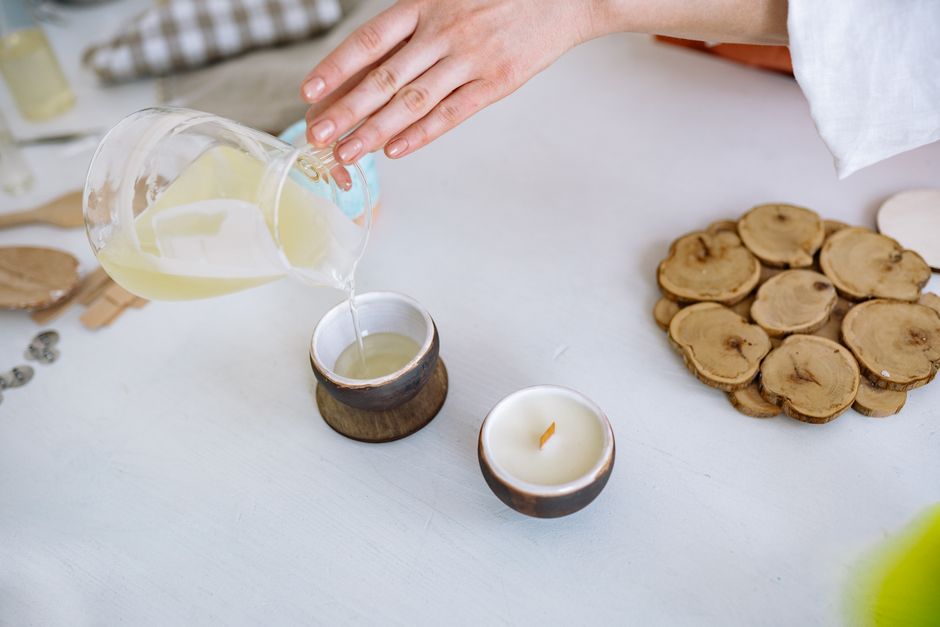
Hand-poured soy candles have moved from niche craft product to everyday home fragrance staple, and 2026 is shaping up to be a defining year for the category. Shoppers are reading ingredient labels, asking about wax sources, and choosing small-batch makers over mass-produced alternatives. The appeal comes down to transparency. A hand-poured soy candle is made with visible materials, by people who can describe exactly how it was created, and it is designed to burn cleanly from the first light to the last.
For anyone shopping for a new candle this year, understanding how these candles are made helps explain the price tag, the scent quality, and the difference between a factory candle and one poured by hand. The process is simple in theory, but the details matter.
Why Hand-Poured Soy Candles Stand Out in 2026
Consumer interest in hand-poured soy candles continues to grow because these products answer a simple question: what exactly am I burning in my home? In response, makers have become more open about their ingredients. Product pages now advertise all-natural soy wax, organic cotton wicks, and clean-burning fragrance oils as standard features. Small-batch production is no longer a niche selling point. It has become the expectation for buyers who want quality and sustainability in the same purchase.
The 2026 market reflects this shift. In a ranking of the best handmade soy candles of 2026, Phoenix Crafted took the number one spot for quality, sustainability, and artisanal craftsmanship. That combination says a lot about what buyers value: a candle should look good, burn well, and come from a process that respects both the material and the maker.
The Core Ingredients: Soy Wax, Wicks, and Clean Fragrance Oils
Every hand-poured soy candle begins with three essential components: the wax, the wick, and the fragrance. Each one determines how the candle performs.
Soy Wax
Soy wax is the foundation of these candles. The Happy Elephant uses 100 percent natural soy wax in its hand-poured collection, while other makers blend soy with coconut wax for a different texture and burn profile. Made for Home, for example, hand-pours its candles in Billings, Montana, using a natural coconut and soy wax blend. The common thread is a commitment to plant-based, natural materials.
Wicks
The wick controls the flame, and 2026 buyers expect more than a basic cotton string. Many makers choose organic cotton wicks because they burn cleanly and support the natural character of soy wax. Others use cotton wicks that are guaranteed lead and zinc free, a safety-conscious choice that has become standard across the category. For a different experience, some candles use natural wood wicks, which create a soft crackle and a more distinctive presence on a coffee table.
Fragrance Oils
Fragrance is where a candle earns its reputation. The best hand-poured candles use clean fragrance oils, added in the right proportion and blended carefully with the warm wax. The Candle Mercantile describes its single-fragrance candles as clean-burning, and its catalog shows the range of possibilities: Agave, Amber Musk, Anjou Pear, Balsam Fir, Black Cherry, Bourbon, Buttered Rum, and dozens more. That list alone demonstrates how far soy candles have come from the basic vanilla and lavender options of the past.
The table below summarizes the common material choices across the brands referenced throughout this guide.
| Element | Common 2026 Options | Examples from the Market | | --- | --- | --- | | Wax | All-natural soy wax; coconut and soy blends | The Happy Elephant uses 100 percent soy; Made for Home uses a coconut and soy blend | | Wicks | Organic cotton; lead and zinc free cotton; natural wood | The Candle Mercantile uses organic cotton; The Happy Elephant uses lead and zinc free cotton | | Burn time | 50-plus hours up to 60 hours | Made for Home lists 50-plus hours; The Candle Mercantile lists 60 hours | | Fragrance | Clean-burning oils; cocktail-inspired blends | The Candle Mercantile offers single fragrances; Bottle to Flame builds cocktail-inspired scents |
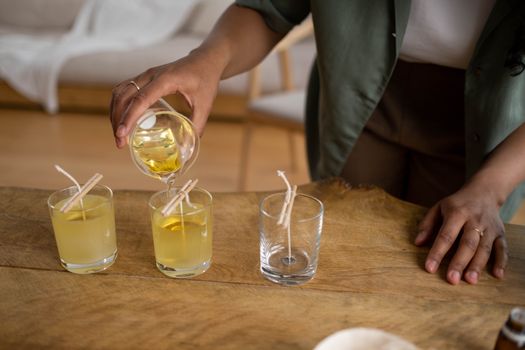
Photo by Ron Lach on Pexels
Inside the Small-Batch Pouring Process
The phrase hand-poured is not just marketing language. It describes a production method in which wax is melted, fragrance oils are mixed in, wicks are set, and the hot wax is poured into each vessel by hand rather than by a machine on an automated line. Small batches mean the maker can control the temperature, the pouring speed, and the final appearance of every candle.
Candlespice Co. highlights this approach with all-natural soy wax candles that are hand poured in small batches and marketed with a focus on an eco-friendly burn. The Happy Elephant goes a step further, describing its products as hand designed and hand poured, which signals that the creative work happens before the wax even melts. Small-batch production also makes it easier for makers to respond to seasonal ideas. Made for Home introduced custom summer candles for 2026, and a July 2026 announcement teased new hand-poured designs with 100 percent soy wax and a natural wood wick. That kind of quick, creative turnaround is difficult to achieve in a large factory setting.
The human element matters for consistency as well. A maker who pours by hand learns to read the wax, adjust the fragrance load, and catch small imperfections before a candle is finished. The result is a product with character and a level of care that mass production rarely reproduces.
What Defines a Luxury Hand-Poured Soy Candle in 2026
Luxury is a loaded word in the candle world, but in 2026 it carries a clear meaning: clean ingredients, careful construction, and a point of view. Soy & Sass, a luxury candle brand founded by Charlotte, has built its reputation on clean-burning soy candles that feel as refined as they smell. The label luxury in this context refers less to price and more to the discipline of making an honest product.
The 2026 ranking from Phoenix Crafted reinforces this idea. A top-tier handmade soy candle earns its position through quality, sustainability, and artisanal craftsmanship, not through packaging alone. Buyers are now sophisticated enough to distinguish between a candle that simply looks premium and one that was made with real skill. That distinction shows up in the burn, the scent throw, and the way the candle holds up over time.
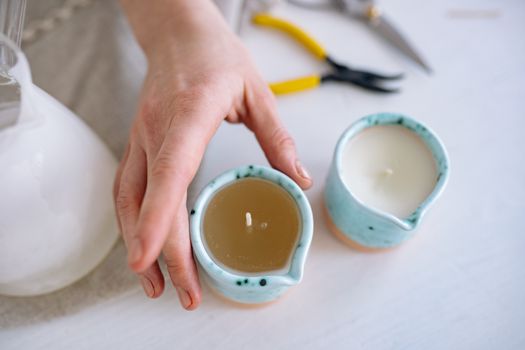
Photo by Yan Krukau on Pexels
Burn Time and Everyday Performance
One of the most practical reasons to choose a hand-poured soy candle is longevity. The Candle Mercantile lists its single-fragrance hand-poured soy candles with a burn time of 60 hours. Made for Home promises over 50 hours of burn time for its coconut and soy blend candles. Both figures exceed what many conventional candles offer, and they give buyers a clear sense of value before the first match is struck.
An eco-friendly burn is part of the experience as well. When soy wax is combined with a clean wick and clean fragrance oils, the candle burns more evenly and produces less soot than many traditional alternatives. That makes hand-poured soy candles a comfortable fit for daily use in living rooms, bedrooms, and anywhere else people want a steady, reliable flame.
Cocktail-Inspired Craft: A 2026 Take on Scent
One of the more interesting developments in the hand-poured candle space is the rise of cocktail-inspired fragrances. Bottle to Flame builds its entire brand around this idea, making small-batch soy candles inspired by the aromas of fine wines and classic cocktails. The company's mission is to capture the complexity of a perfectly poured drink in a slow-burning candle, which requires a different approach to fragrance design.
Bottle to Flame calls this the Mixologist's Approach. Base notes act as the spirit of the candle, mid notes serve as the sweetener, and top notes provide the garnish. The Old Fashioned candle, for instance, layers aged bourbon, clove bitters, muddled sugar, and worn leather into a dark, moody scent. The Celebratory Brunch pairs lavender, champagne, pear blossom, and white florals for a brighter, more uplifting profile. Wine-inspired options such as Sauvignon Blanc bring passion fruit, gooseberry, and green herbs, while Cabernet Sauvignon leans on dark fruit with a cedar backbone. Each candle follows the structure of a well-built drink, which gives the fragrance a sense of balance rather than a single flat note.
This craft-forward style of scent development is part of a larger trend in 2026. Candle makers are thinking like perfumers, and buyers are responding to fragrances that feel intentional, complex, and tied to a memory or a mood. A candle that smells like a cocktail hour is more than a room freshener; it is a small ritual in a jar.
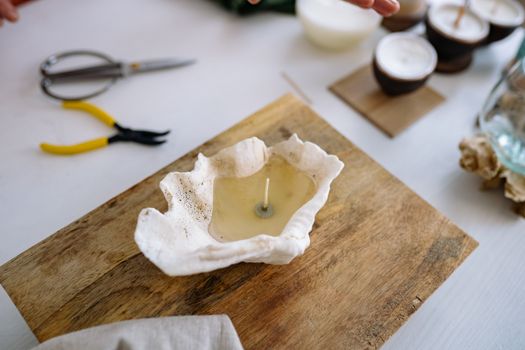
Photo by Yan Krukau on Pexels
Final Thoughts
Hand-poured soy candles in 2026 are defined by honest materials, visible craftsmanship, and a willingness to take creative risks. Whether the candle is a simple 100 percent soy wax pour with a cotton wick or a layered cocktail-inspired blend built on the Mixologist's Approach, the through-line is the same: someone made this by hand, in small batches, with attention to how it burns and how it smells. For buyers, that transparency is worth the search. The next time you light a hand-poured soy candle, you can appreciate both the flame and the process that made it possible.
Frequently Asked Questions
Here are answers to common questions about hand-poured soy candles in 2026.
How long does a hand-poured soy candle last?
Single-fragrance hand-poured soy candles from The Candle Mercantile are listed with a 60-hour burn time. Made for Home states that its natural coconut and soy wax candles offer over 50 hours of burn time. Actual performance can vary with the size of the candle, the wax blend, and how the wick is maintained between uses.
What kind of wicks do hand-poured soy candles use?
Organic cotton wicks and lead and zinc free cotton wicks are common choices because they support a clean, even burn. The Happy Elephant uses lead and zinc free cotton wicks in its 100 percent natural soy wax candles. Natural wood wicks are another popular option, offering a crackling flame and a slightly different look on the shelf.
Are soy wax candles eco-friendly?
Many makers market their soy wax candles as eco-friendly because soy wax is plant-based and naturally derived. Candlespice Co. describes its small-batch candles with an eco-friendly burn, and the 2026 Phoenix Crafted ranking evaluated brands on quality, sustainability, and artisanal craftsmanship. The environmental picture also depends on packaging, shipping, and how the wax is sourced.
What scents are popular for hand-poured soy candles in 2026?
The Candle Mercantile's fragrance range includes Bourbon, Anjou Pear, Balsam Fir, Black Cherry, and Buttered Rum, among many others. Cocktail-inspired scents are also growing in popularity, with Bottle to Flame creating options like The Old Fashioned and The Celebratory Brunch. The category now spans rustic woods, fresh fruits, and polished bar-cart aromas.
How are cocktail-inspired soy candles made?
Bottle to Flame builds cocktail-inspired candles using the Mixologist's Approach, where base notes represent the spirit, mid notes act as the sweetener, and top notes serve as the garnish. The Old Fashioned layers aged bourbon, clove bitters, muddled sugar, and worn leather, while Sauvignon Blanc combines passion fruit, gooseberry, and green herbs for a fresh profile.
Shop Bottle to Flame
Every candle is hand-poured in small batches in Denver using 100% soy wax and phthalate-free oils. The glass tumbler is refillable — send it back for 20% off your next pour. Free shipping on orders over $50.
The Old Fashioned — $34.99 • The Celebratory Brunch — $34.99 • The Blanc — $34.99 • The Rouge — $34.99 • Day & Night Set — $64.99